CEATEC 2026 Highlights Physical AI Revolution in Japanese Robotics
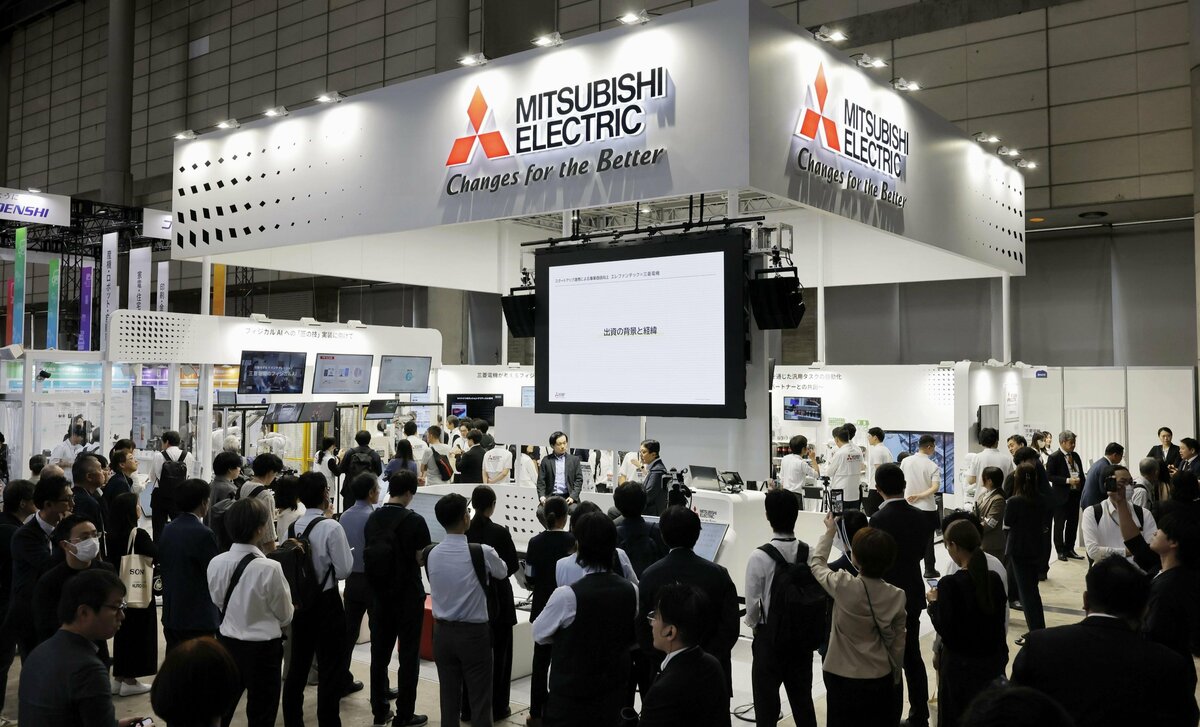
The Combined Exhibition of Advanced Technologies (CEATEC) 2026 opened on October 12 at Makuhari Messe in Chiba Prefecture, featuring 821 companies and organizations demonstrating cutting-edge technologies.
Physical AI emerged as the dominant theme, representing intelligent systems that combine artificial intelligence with robots, sensors, and control systems to perceive real-world environments and make autonomous decisions.
Key Details
Unlike traditional AI that processes numerical data, physical AI enables machines to interact with the physical world through computer vision, sensor fusion, and adaptive control systems.
Mitsubishi Electric showcased robots using AI to precisely locate screw holes for tightening, reducing defects in production lines.
Hitachi demonstrated a humanoid robot with in-house AI robotics platform capable of independent navigation and task execution when instructed to 'read the meter'.
Why It Matters
For Japan facing severe labor shortages and an aging population, physical AI offers solutions to automate repetitive tasks while assisting workers in skilled positions.
The technology could help address productivity challenges in manufacturing, logistics, healthcare, and disaster response sectors where human labor is scarce or unsafe.
Context
Japan's robotics density remains among the world's highest, but physical AI represents an evolution from pre-programmed industrial robots to adaptive systems capable of handling variable environments and unexpected situations.
Source: Kyodo News. This article summarizes the linked reporting and distinguishes announced plans from demonstrated results.