The Sounds of the Sea Drive a New Strategy to Restore Coral Reefs and Recover Biodiversity
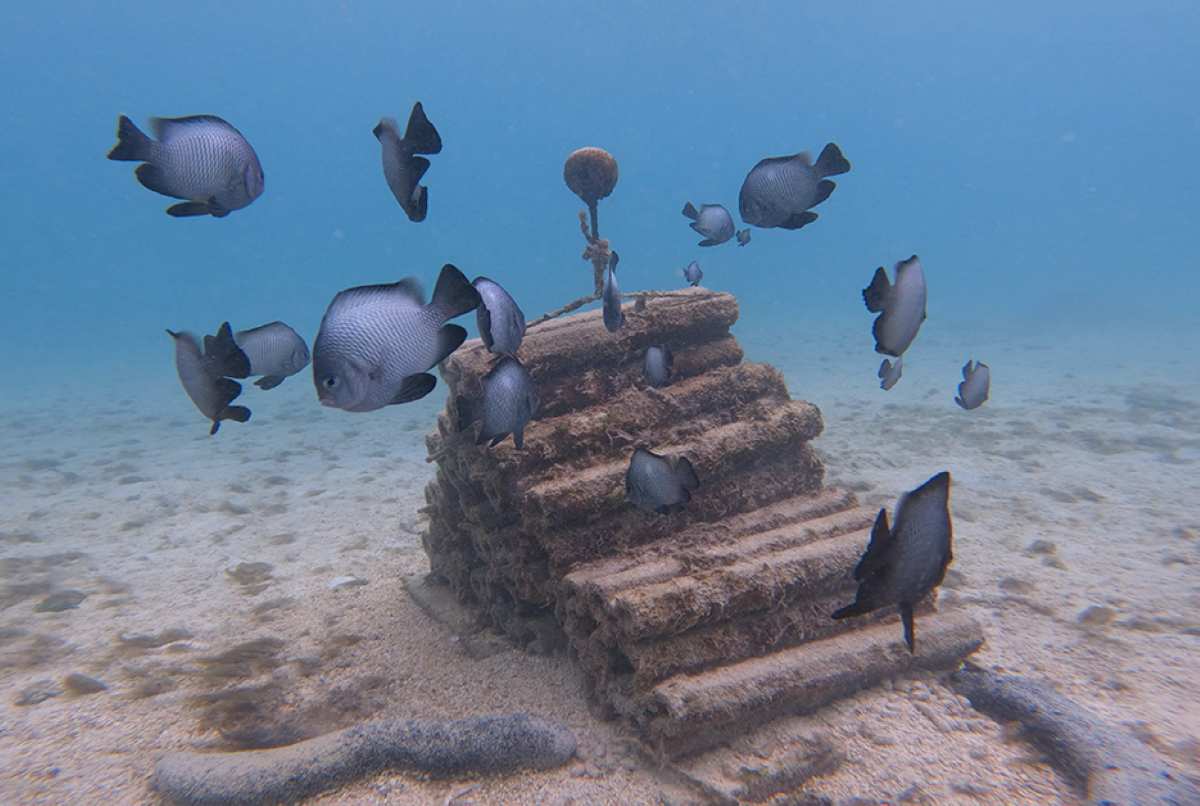
The sounds of the sea drive a new strategy to restore coral reefs and recover biodiversity - Noticias Ambientales. The technique uses acoustic enrichment to attract fish and promote coral settlement, showing promise as a complementary tool for marine conservation efforts.
Key Details
However, before extending this strategy, it will be necessary to evaluate its effectiveness in other environments, determine how long the sounds should be reproduced, and verify the survival of fish and corals. Ocean warming, pollution, and acidification will also continue to threaten these habitats. The technique should be considered a complementary tool, not a replacement for marine conservation.
Why It Matters
This innovative approach offers a low-cost, potentially scalable method to enhance coral reef recovery efforts. By leveraging natural acoustic cues, conservationists can work with ecosystem processes rather than against them, potentially improving restoration success rates in degraded reef systems.
Context
The Rapid Resilient Reefs for Coastal Defense program plans to install the Kalaeloa Hybrid Reef, a 50-meter experimental structure combining engineering, biological restoration, and acoustic enrichment, off the coast of Oʻahu. The initiative foresees an investment of 22 million dollars, with installation planned for the fall of 2026. Healthy reefs provide shelter and food for numerous species and can buffer wave energy when organisms form stable communities.
Source: Noticias Ambientales. This article summarizes the linked reporting and distinguishes announced plans from demonstrated results.