Statkraft's Green Transition Scenarios 2026 Show Electricity Dominance by 2035
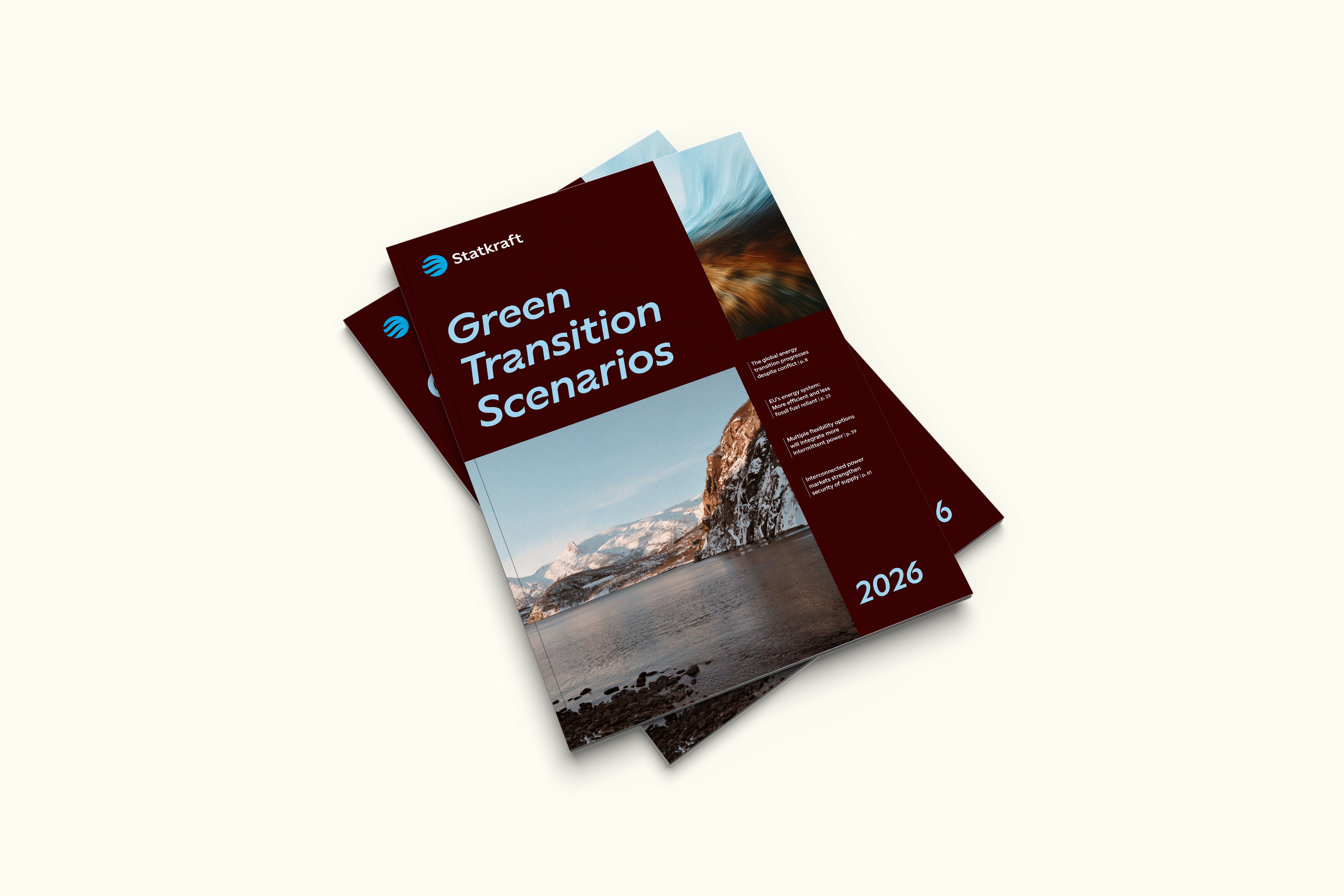
Statkraft released its Green Transition Scenarios 2026 report on October 13, analyzing four pathways for global energy system development toward 2050 with focus on European and Norwegian perspectives.
All scenarios project renewable energy becoming the dominant electricity source globally by 2035, primarily driven by exponential growth in solar and wind power installations.
Key Details
Electricity demand is growing strongly worldwide, particularly in regions dependent on fossil fuel imports seeking energy security through electrification.
Grid expansion and battery storage solutions are critical enablers, addressing intermittency challenges of solar and wind generation.
The report forecasts solar PV costs declining 88%, onshore wind 59%, offshore wind 48%, and battery storage 95% between 2010-2025, making renewables increasingly cost-competitive.
Why It Matters
The accelerating transition has profound implications for energy-importing nations seeking to reduce geopolitical vulnerabilities associated with fossil fuel dependence.
Renewable dominance by 2035 represents a acceleration from previous projections, driven by policy support, technology improvements, and manufacturing scale.
Context
As Europe's largest renewable energy generator, Statkraft's scenarios influence policy discussions across the EU regarding energy security, decarbonization timelines, and investment priorities for grid modernization.
Source: Statkraft. This article summarizes the linked reporting and distinguishes announced plans from demonstrated results.