WWF Living Planet Report 2026: 73% Average Wildlife Decline Since 1970
WWF's 2026 Living Planet Report, released October 10, 2026, reveals a 73.2% average decline in monitored wildlife populations globally since 1970, based on nearly 35,000 population trends across 5,495 species.
Key Details
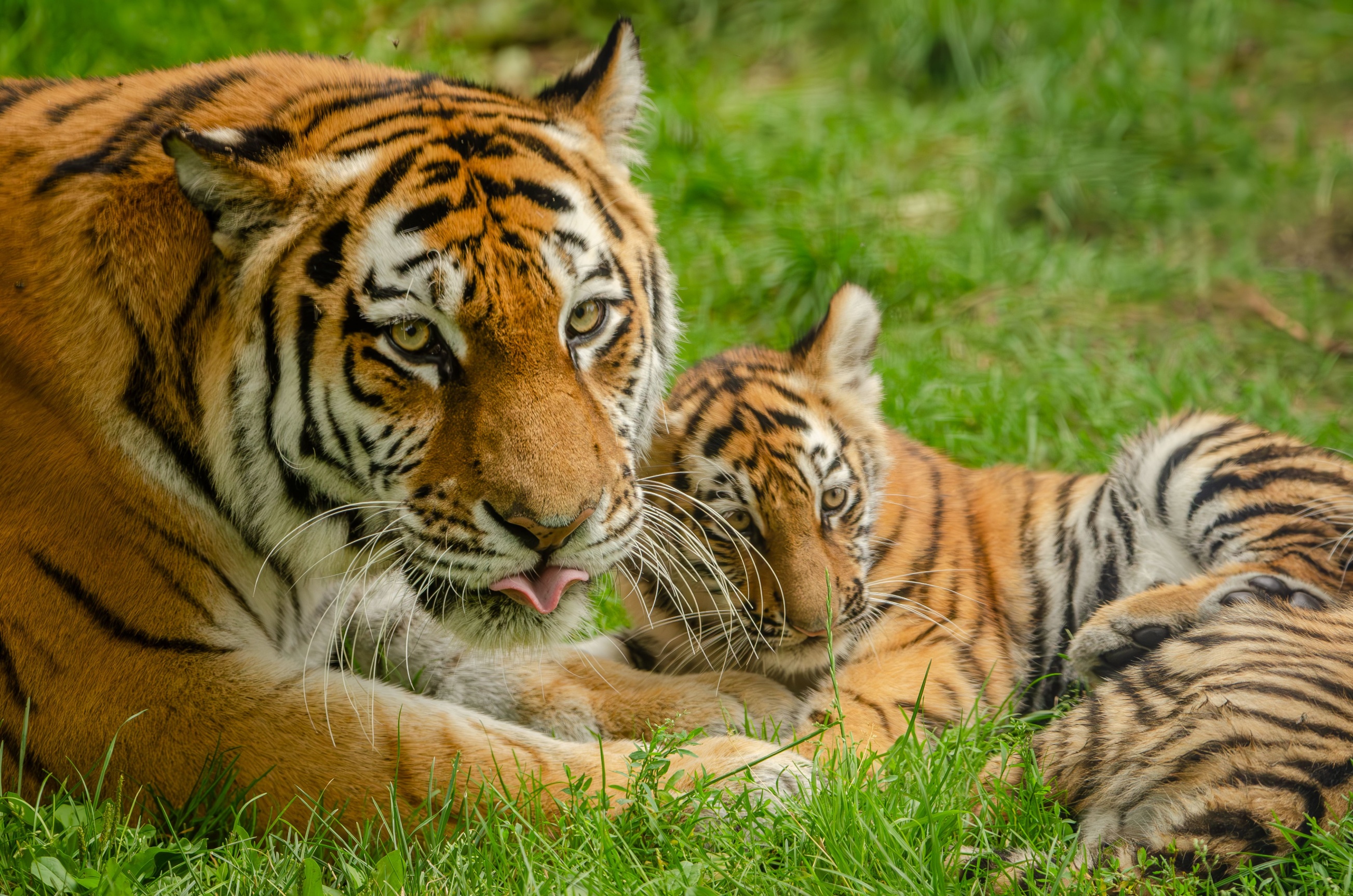
Freshwater vertebrates declined 85%, terrestrial 69%, marine 59%. Worst regional declines: Latin America/Caribbean -95%, Africa -80%, Asia-Pacific -49%. Conservation bright spots: green sea turtles reclassified from Endangered to Least Concern (first marine turtle ever), Atlantic and Pacific bluefin tuna no longer overfished, tiger populations recovering in parts of Asia.
Why It Matters
Nature protection is outspent roughly 30:1 by subsidies driving biodiversity loss. The report argues conservation works when funded and enforced, but systemic drivers — agriculture, infrastructure, overfishing — must be addressed.
Context
The Living Planet Index is a key biodiversity indicator ahead of the 2026 UN Biodiversity Conference. Marine recovery stories prove targeted management can reverse declines, but the aggregate trend remains deeply negative.
Source: TechTimes. This article summarizes the linked reporting and distinguishes announced plans from demonstrated results.